Why Pier and Beam Mold Repair Requires a Different Approach Than Slab Foundations
If you own a home in Fort Worth with a pier and beam foundation, you already know the crawl space under your floors is a world apart from a concrete slab. That gap between the ground and your subfloor creates unique moisture dynamics. When things go wrong down there, the result is often mold growth that can spread into your living space. Pier and beam mold repair is not the same as treating mold in a slab home. The structure itself forces a different strategy.
I have spent years working on these foundations, and the first thing I tell homeowners is that you cannot just spray something and hope it goes away. The crawl space is a semi-conditioned environment. It breathes, it settles, it collects humidity from the soil. If you ignore the airflow and the ground moisture, the mold will return no matter how thorough your cleaning. That is why understanding the whole system matters more than any single treatment.
How Moisture Gets Into a Pier and Beam Crawl Space
The biggest difference between a slab and a pier and beam home is the open cavity beneath the floor. That crawl space is exposed to the earth, and unless you have a good vapor barrier, moisture from the soil wicks up into the air. During the Texas rain season, the ground saturates, and the relative humidity in that crawl space can climb above 70 percent for days at a time. That is a perfect invitation for mold to colonize the joists, the plywood subfloor, and even the structural posts.
I have walked into crawl spaces where the air felt thick and musty before I even put my head through the access door. The first tool I reach for is a moisture meter. Checking the wood moisture content tells me if the problem is active or just historical. If the reading on the subfloor insulation or the joists is above 20 percent, you have an active moisture source that needs to be stopped before any mold removal will last.
Why Standard Mold Removal Methods Fall Short
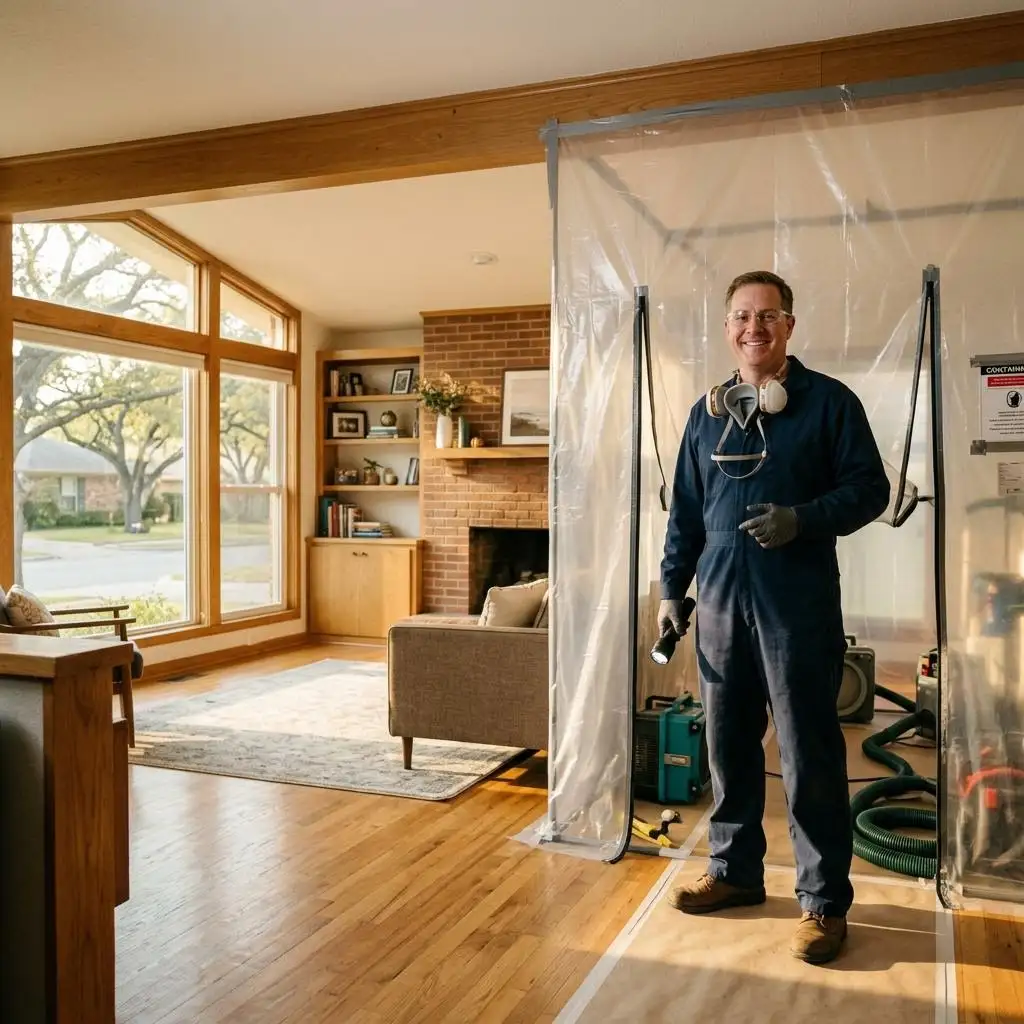
Many mold remediation companies treat a pier and beam home the same way they treat a slab. They fog the space with a biocide, wipe visible growth, and call it done. But that approach misses the root cause. In a crawl space, mold often grows on the back side of the subfloor, on the top of the vapor barrier where condensation collects, and inside the insulation. A general spray cannot reach those hidden surfaces.
True pier and beam mold repair starts with identifying and correcting the moisture pathways. Sometimes that means improving drainage around the foundation. Other times it means replacing a torn vapor barrier or adding a dehumidifier in the crawl space during wet months. I have also seen cases where the only long-term fix was crawl space encapsulation, which seals the entire under-floor area with a heavy polyethylene sheeting and a vapor-proof seal around all the structural posts. That changes the environment from a damp cave to a dry, manageable space.
The Role of Airflow and Ventilation
You cannot talk about pier and beam foundations without talking about airflow. These homes rely on ventilation to keep the crawl space dry. If the vents are blocked by landscaping, stored items, or insulation, the air stagnates. Stagnant air holds moisture against the wood. I have measured crawl spaces with no ventilation fan where the air just sits, and the wood rot and mold problems are always worse.
Adding a properly sized ventilation fan can make a huge difference. It pulls fresh outside air through the crawl space and pushes out the humid, moldy air. But you have to be careful. During the Texas rain season, outside air can be just as humid as the crawl space air. That is where a humidity meter helps. You want to ventilate when the outside air is drier than the crawl space, and seal up and run a dehumidifier when it is not.
Concrete Steps for Pier and Beam Mold Repair
When I approach a pier and beam mold repair job, I follow a sequence that addresses both the mold and the conditions that allowed it to grow. Here is a practical outline that I have refined over many projects:
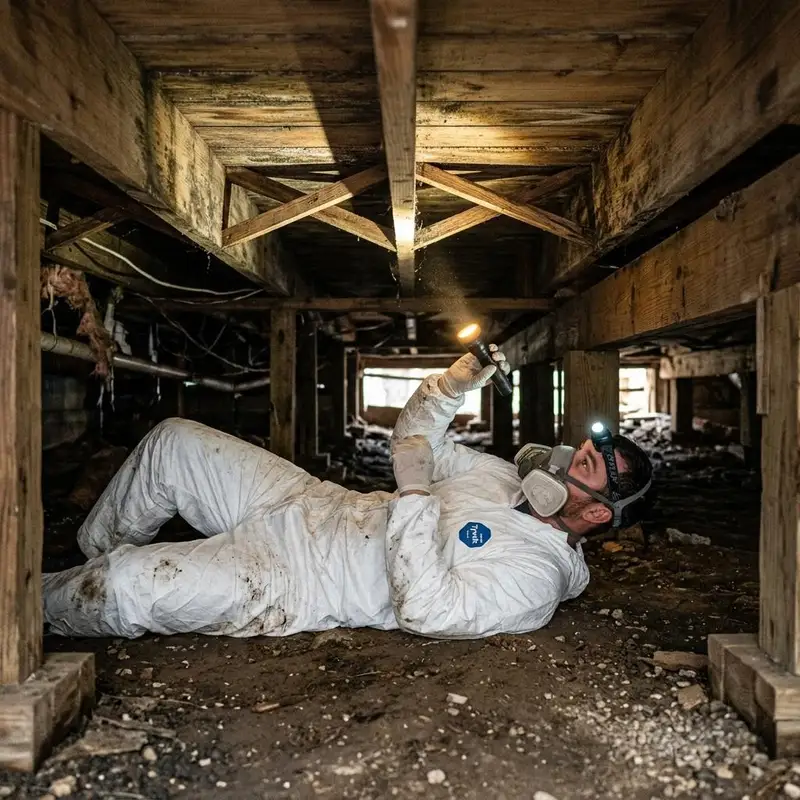
- Inspect and measure. Use a moisture meter on all wood surfaces, including the plywood subfloor, joists, and structural posts. Look for areas with readings above 16 percent.
- Identify the moisture source. Check the vapor barrier for tears, look for plumbing leaks, and assess drainage around the foundation. Also check for termite damage, because termites often accompany moisture problems.
- Remove the mold. Use a HEPA vacuum to capture spores, then apply a biocide like Concrobium to kill remaining mold and prevent regrowth. Do not rinse with water; that just spreads spores.
- Repair the moisture barrier. Replace damaged polyethylene sheeting and seal it to the foundation walls and posts. This step is critical for crawl space encapsulation to work.
- Control the environment. Install a dehumidifier or ventilation fan, and monitor with a humidity meter. Keep relative humidity below 55 percent.
This process is not quick, but it is thorough. I have seen homes that had mold problems for years finally stay dry after a proper encapsulation and ventilation setup.
When to Call a Professional
Some homeowners try to handle crawl space mold themselves. If the area is small and the mold is surface level, that can work. But if you have wood rot, termite damage, or mold that has penetrated the subfloor, you need someone with experience. The structural integrity of your floor depends on those joists and posts. A bad repair can leave you with a sagging floor and a health hazard.
One thing I always check is the condition of the subfloor insulation. If it is wet or moldy, it has to come out. Insulation that stays wet for months will rot the plywood subfloor above it. Replacing that means cutting out sections of your floor from above, which is a major job. It is better to catch it early with regular inspections.
Preventive Measures for Fort Worth Homeowners
Fort Worth has a climate that tests crawl spaces. Hot summers, heavy rain, and high humidity create a perfect storm for mold. If you own a pier and beam home here, there are things you can do to avoid major repairs later. Make sure your gutters and downspouts carry water away from the foundation. Grade the soil so it slopes away. Keep the crawl space vents clear and consider adding a hydrophobic coating to the foundation walls to repel ground moisture.
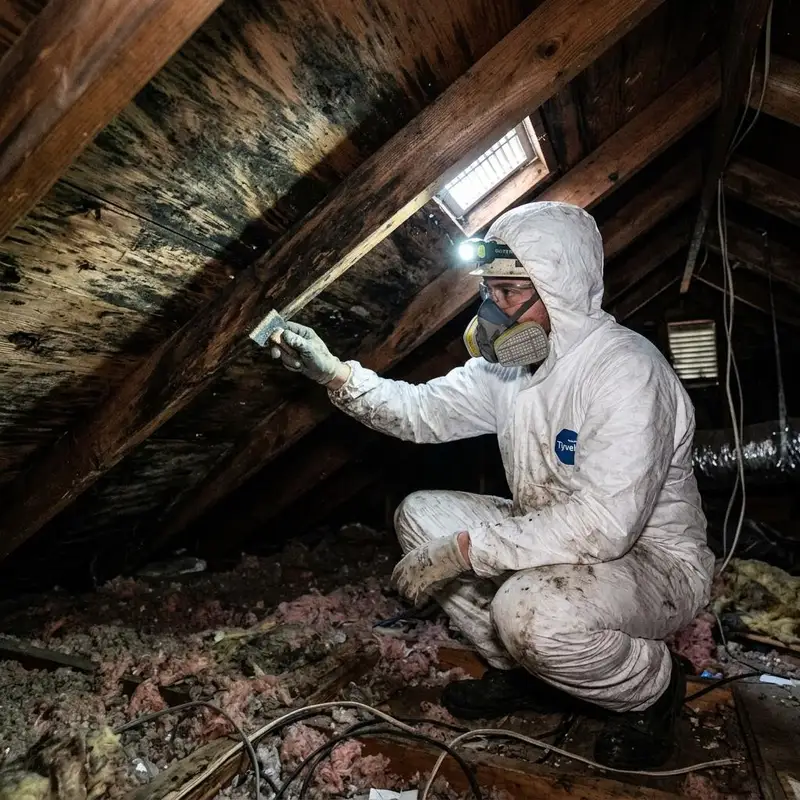
I also recommend installing a good vapor barrier if you do not already have one. A 6-mil polyethylene sheeting laid over the dirt and sealed at the seams and posts will stop a huge amount of moisture from entering the air. Combine that with a humidity meter and a ventilation fan, and you have a system that keeps the crawl space dry year-round.
The Bottom Line on Pier and Beam Mold Repair
Pier and beam mold repair is not a one-size-fits-all service. It requires understanding how air, moisture, and wood interact in a confined space. The homes that stay mold-free are the ones where the owner treats the crawl space as part of the living envelope, not just a dirt hole under the house. With the right vapor barrier, proper ventilation, and regular monitoring, you can keep mold at bay and protect your home for years to come.